CLINICAL EVIDENCE
Supporting Research for The Middle Moment and Guided Agency.
This registry compiles peer-reviewed clinical research investigating the impact of control, agency, and somatic stress on procedural timelines and pediatric patient care.
Powerlessness and Lack of Control as the Driver of Pediatric Clinical Anxiety
The root of clinical resistance and procedural hesitation
Minimizing Pediatric Healthcare-Induced Anxiety and Trauma
Lerwick, J.L. (2016). Minimizing Pediatric Healthcare-Induced Anxiety and Trauma. World Journal of Clinical Pediatrics, 5(2), 143–150.
"Children are often subject to psychological trauma because they lack control of their environment. This sense of helplessness, coupled with fear and pain, causes children to feel powerless in healthcare settings. These emotional responses delay important medical treatment, take more time to complete, and reduce patient satisfaction."
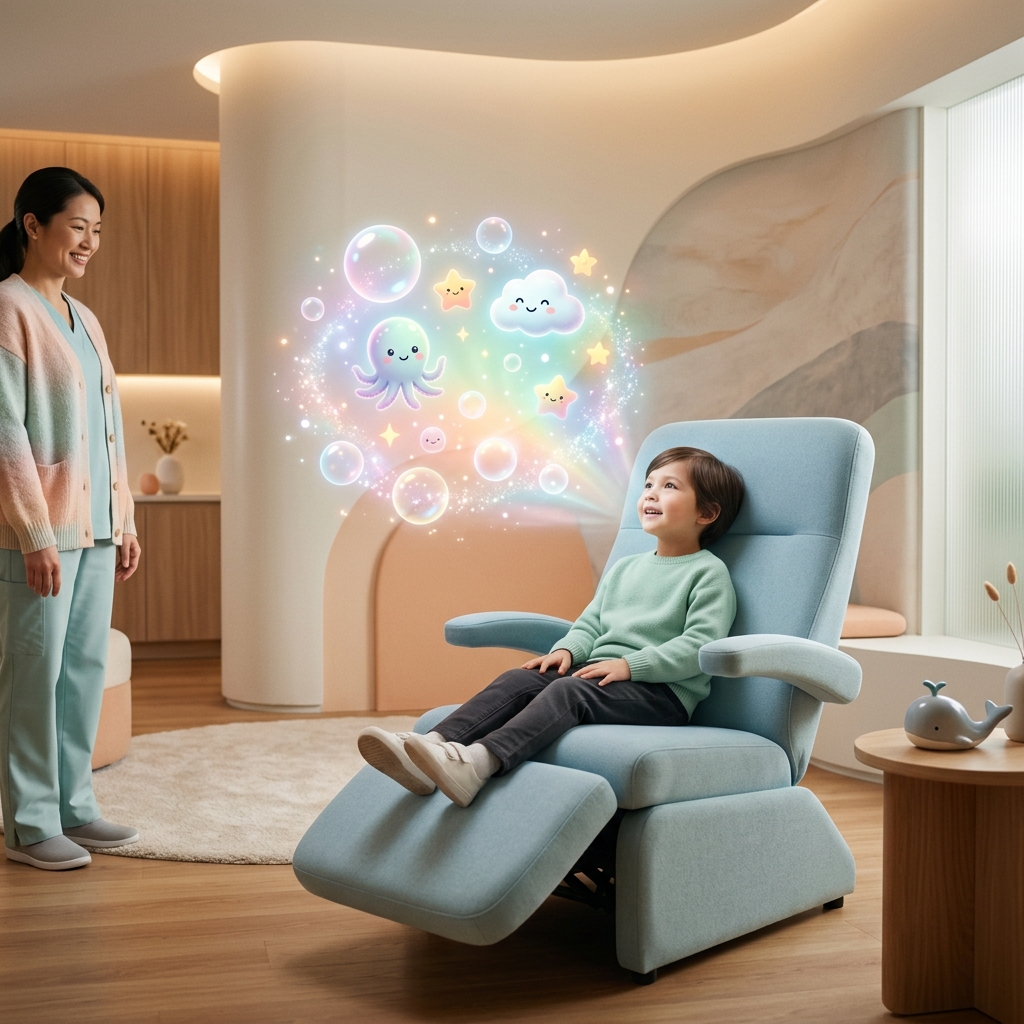
Figure 1: Framework displaying how interactive agency pathways intercept autonomic threat scan loops and replace helplessness with coping control.
The Compounding Effect: How Unmanaged Anxiety Shapes Future Healthcare Experiences
The compounding loop of procedural trauma memory
Hospitalized Children: Anxiety, Coping Strategies, and Pretend Play
Frontiers in Public Health (2019). Hospitalized Children: Anxiety, Coping Strategies, and Pretend Play. Frontiers in Public Health, 7:250.
"In the short term, extreme distress may compromise the completion of a required medical procedure. In the long term, it may lead to difficulties in future encounters that discourage the use of medical treatments."
Play-Based Training Program for Overcoming Hospital Fear in Children
ScienceDirect (2025). Play-Based Training Program for Overcoming Hospital Fear in Children. ScienceDirect, February 2025.
"Painful experiences during blood draws and other invasive procedures can lead to fear of future procedures. Previous painful experiences, fear of needles, and anxiety can lead to avoidance of medical procedures entirely."

Figure 2: The interactive StoryWall environment designed to replace procedure waiting room anxiety with visual discovery.
The Physiological Impact of Anxiety on Procedure Outcomes
The clinical and operational case for emotional regulation
Anxiety and Salivary Cortisol Levels in Children Undergoing Esophago-Gastro-Duodenoscopy Under Sedation
PubMed (2018). Anxiety and Salivary Cortisol Levels in Children Undergoing Esophago-Gastro-Duodenoscopy Under Sedation. PubMed, 2018.
"Higher anxiety in children undergoing procedures results in increased medication requirements and longer procedural durations, which can cause potential complications."
Effect of Educational Brochures on Preprocedural Anxiety in Pediatric Endoscopy: A Randomized Controlled Trial
PMC/NIH (2024). Effect of Educational Brochures on Preprocedural Anxiety in Pediatric Endoscopy: A Randomized Controlled Trial. PMC/NIH, 2024.
"Preoperative anxiety has been linked to increased pain sensitivity, poor compliance, and in some cases the cancellation of procedures. Up to 70% of children undergoing surgical procedures experience pronounced preoperative distress."

Figure 3: Medical charting illustrating the correlation between high preoperative anxiety, sedation dosage requirements, and pediatric emergence delirium.
Non-Pharmacological Interventions and Cortisol Reduction
Physiological modification of pediatric stress responses
Investigating Non-Pharmacological Stress Reduction Interventions in Pediatric Patients Confirmed with Salivary Cortisol Levels: A Systematic Review
PMC/NIH Systematic Review (2023). Investigating Non-Pharmacological Stress Reduction Interventions in Pediatric Patients Confirmed with Salivary Cortisol Levels: A Systematic Review. PMC/NIH, 2023.
"Non-pharmacological interventions hold a promising role in reducing levels of anxiety or distress in children, as confirmed with salivary cortisol measurement. Anxiety and distress were found to be reduced in the majority of the studies reviewed."
Interventions to Improve Cortisol Regulation in Children: A Systematic Review
PMC/NIH Systematic Review (2014). Interventions to Improve Cortisol Regulation in Children: A Systematic Review. PMC/NIH, 2014.
"Cortisol activity can be altered by psychosocial interventions. These findings indicate physiologic plasticity that can be leveraged by interventions and suggest it may be possible to repair regulatory systems after childhood adversity — which could inform strategies for reducing health disparities and promoting lasting improvements in health."
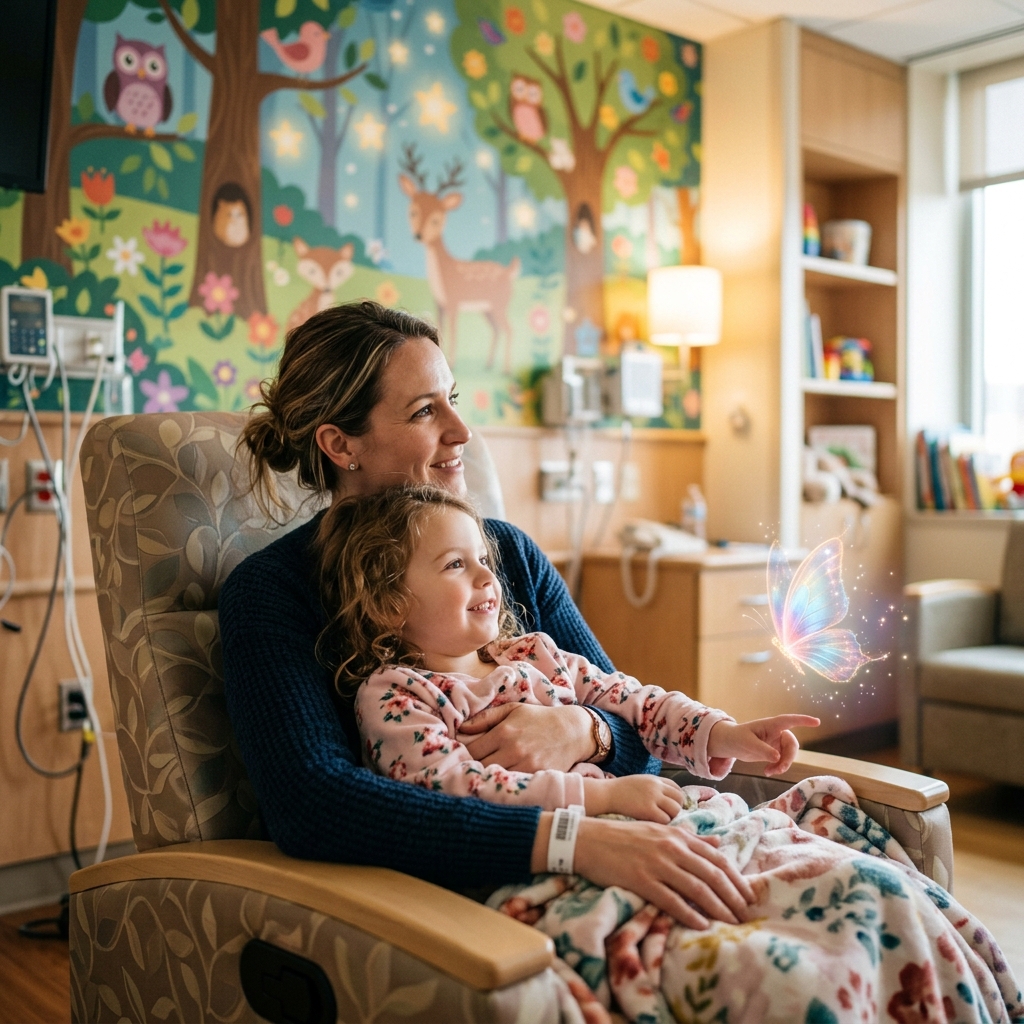
Figure 4: Non-pharmacological respiratory pacing showing physiological co-regulation and corresponding reductions in salivary cortisol levels.
Chronic Stress and Long-Term Health Consequences in Children
Somatic equity and developmental stress consequences
Stress and Growth in Children and Adolescents
Karger Publishers (2023). Stress and Growth in Children and Adolescents. Hormone Research in Paediatrics, 2023.
"Early-life adversities, emotional or physical, have been associated with long-term negative physical and mental health outcomes. Targeted interventions to reduce stress during infancy, childhood, and adolescence can have far-reaching benefits to long-term health."
Extending the Toxic Stress Model into Adolescence: Profiles of Cortisol Reactivity
PMC/NIH (2019). Extending the Toxic Stress Model into Adolescence: Profiles of Cortisol Reactivity. PMC/NIH, 2019.
"A greater sense of control is correlated with better mental health outcomes and less stress across multiple life domains. Children who develop perceived control over themselves and their environment demonstrate measurably better health outcomes."

Figure 5: Somatic pacing guided by interactive visualizers to stabilize heart rate variability during acute clinical stress.
Important Regulatory Notice & Disclaimer
Cosmos Continuum has not conducted independent clinical trials on the specific outcomes of StoryWall or Breathe With Me in pediatric settings within the United States. The research compiled here supports the foundational principles underlying Guided Agency — the relationship between control, anxiety, and clinical outcomes in children — rather than constituting direct product validation.
As clinical deployments expand, Cosmos Continuum is committed to developing its own evidence base in partnership with clinical institutions.